

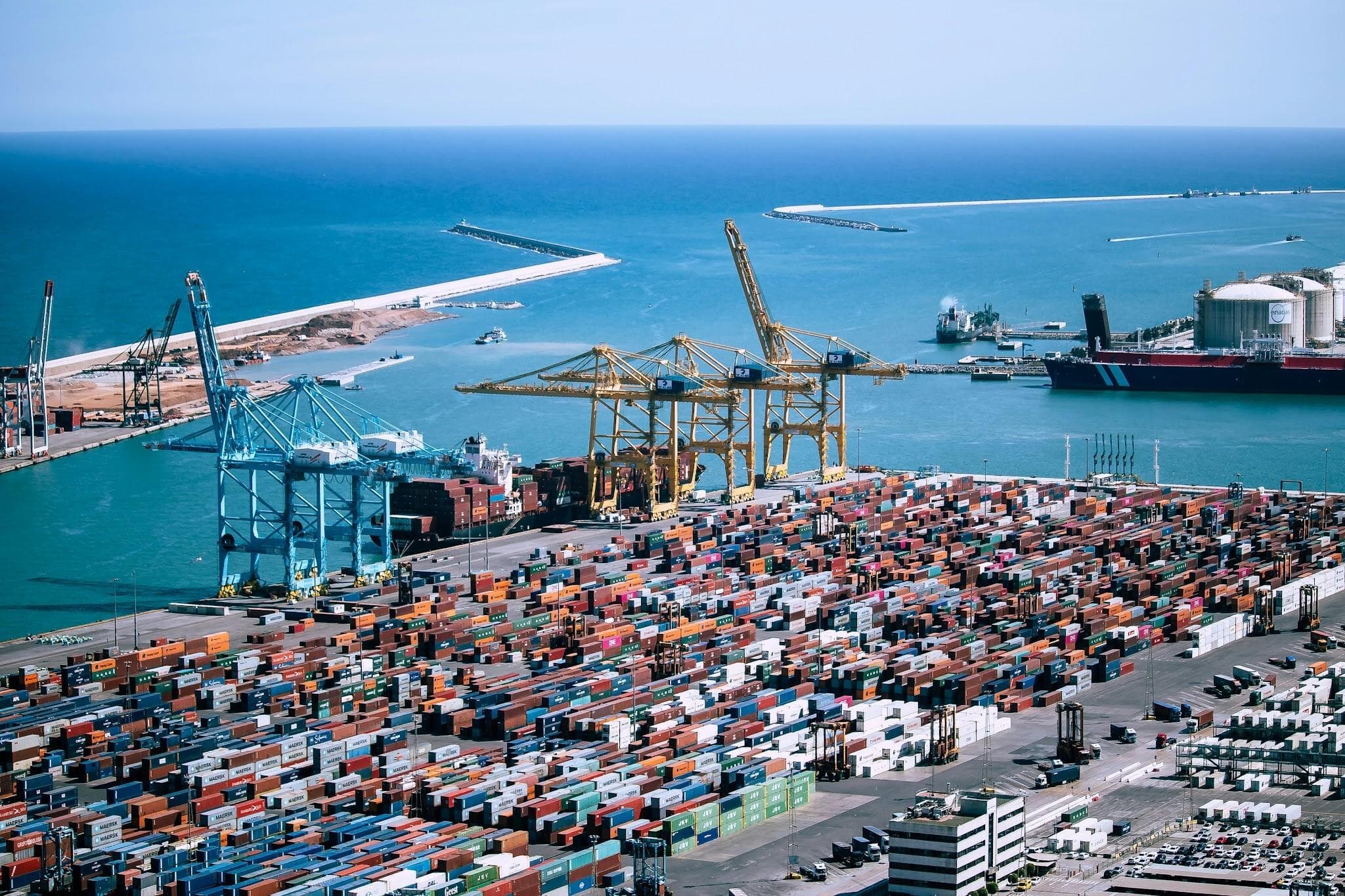
A supplier’s unit price is only one part of what a manufacturer pays. When sourcing across African and international markets, freight, foreign exchange, import duties, customs clearance and delivery terms can significantly affect the landed cost of getting industrial materials to a factory or warehouse.
What Is landed cost in African sourcing?
Landed cost is the total cost of getting a product from the supplier to its final destination, ready for use.
For industrial materials, this typically includes product price, packaging, freight, cargo insurance, currency conversion, import duties and taxes, customs clearance, port and terminal charges, inland transport, storage or demurrage, and financing or payment costs.
The final figure depends on the product, origin, destination, trade terms and shipment structure. A lower supplier price does not guarantee a lower landed cost once the shipment actually arrives.
Example: How a Lower Supplier Price Can Increase Landed Cost
Supplier A quotes $10,000, while Supplier B quotes $11,000.
Supplier A has the lower quoted price, but its higher freight, FX, duty, clearance and inland delivery costs make its landed cost $600 higher.
How does freight affect landed cost in African sourcing?
Freight is a major component of landed cost in African sourcing, but the transport rate alone is not enough for a fair comparison.
Shipment size, route, transport mode, origin and destination all affect the final cost. Buyers should also account for port handling, documentation, cargo insurance and inland delivery.
This is especially important when comparing suppliers from different African and international markets. One supplier may offer a lower product price before freight, while another may include more of the delivery journey. Compare quotations only after aligning the delivery scope and calculating the full landed cost.
Why does foreign exchange affect sourcing costs in Africa?
Foreign exchange can change the landed cost of a purchase even when the supplier’s price remains unchanged.
If a manufacturer buys in a foreign currency but earns revenue in local currency, exchange-rate movements between quotation, payment and delivery can affect the final amount paid.
FX exposure can affect:
● Budget accuracy
● Purchase timing
● Inventory costs
● Supplier comparisons
● Customer pricing
● Production planning
Procurement teams should review the quote currency, payment schedule, validity period and pricing assumptions. A quotation should not be treated as fixed without considering the time between the offer and payment.
How do Import duties and customs costs change the real price?
Import duties, taxes and customs clearance costs depend on the product, the destination and the applicable trade arrangement, and they can materially raise landed cost, particularly on an unfamiliar route or product classification.
Additional charges commonly include customs-agent fees, inspection costs, documentation charges, port and terminal handling, storage, demurrage or detention, and inland transport.
These costs are easier to estimate when a business regularly imports the same product through an established route. A new supplier, origin country or delivery route can create additional uncertainty.
The key question is not only how much duty applies, but also who is responsible for clearing and delivering the material.
What should be included in a landed-cost comparison?
Cost area
What to check
- Product
- Price, grade and specification
- Currency
- Quote currency and validity period
- Freight
- Route, shipment format and freight inclusion
- Duties and taxes
- Applicable destination charges
- Delivery terms
- Point where responsibility transfers
- Clearance
- Customs, documentation and inspection costs
- Lead time
- Production, shipping, clearance and final delivery
- Delay risk
- Storage, demurrage and potential production impact
A landed-cost comparison gives buyers a consistent basis for evaluating sourcing options, imports and alternative supply routes. It also helps procurement teams identify whether a lower quoted price actually delivers better commercial value.
What does landed cost mean for African manufacturers?
African manufacturers can assess local suppliers, regional sources and imports using the same total-cost framework. Freight routes, delivery terms, currency exposure and inventory planning can all affect the economics of a purchase.
A sound sourcing decision considers product suitability, supplier capability, delivery reliability and total landed cost together. Reviewing landed cost in African sourcing helps manufacturers compare supply routes more accurately and reduce unexpected charges after an order is placed.
Frequently asked questions
Which Incoterm gives the most accurate landed cost comparison?
No single Incoterm is inherently more accurate. What matters is comparing quotations under the same Incoterm, so that freight, insurance and delivery responsibility are allocated consistently across every supplier being evaluated.
Does landed cost apply to regional African sourcing, or only international imports?
It applies to both. Moving a chemical from one African market to another still involves freight, currency exposure where the transaction crosses a currency zone, duties where applicable, and inland transport, all of which affect the real cost of the purchase.
How often should a business recalculate landed cost on a regular sourcing route?
Recalculate whenever freight rates, exchange rates, duty schedules or the delivery route change, and review it as a standing practice at least quarterly even on stable routes, since small shifts in any one component compound over time.
Reviewing landed cost, rather than supplier price alone, is how manufacturers compare supply routes accurately and avoid unexpected charges after an order has already shipped.
Explore sourcing options through Matta Marketplace, and plan the movement behind them with Flux by Matta, before committing to a supplier.
Suggested URL: /landed-cost-african-sourcing/
Suggested image alt text: Industrial raw materials and freight costs involved in African sourcing
Suggested tags: Landed Cost, African Sourcing, Freight Costs, FX Risk, Import Duties, Incoterms, Customs Clearance, Industrial Procurement
Category: Raw Materials, Perspective